
Spatial Audio.
What Is Spatial Audio?
Spatial audio is sound engineered to be perceived in three dimensions, placing individual elements above, behind and around the listener rather than on a flat left-right stereo plane. Delivered through object-based formats such as Dolby Atmos, it works over speaker arrays and, using binaural rendering, ordinary headphones.
Spatial Audio in Practice
Dolby Atmos, launched in cinemas in 2012 with Pixar’s Brave, treats each sound as an object that can be positioned anywhere in the room, and the format has since spread from cinemas to soundbars, cars and phones. The consumer turning point came in June 2021, when Apple Music rolled out Spatial Audio with Dolby Atmos to subscribers at no extra cost, pushing labels to remix their catalogues in the format. For brands, spatial audio opens new territory: sonic logos, retail soundscapes and experiential installations can now surround an audience rather than simply play at them, and streaming platforms increasingly favour spatial mixes when curating playlists.
Famous Example
Apple Music’s 2021 Spatial Audio rollout, bringing Dolby Atmos music to millions of listeners.
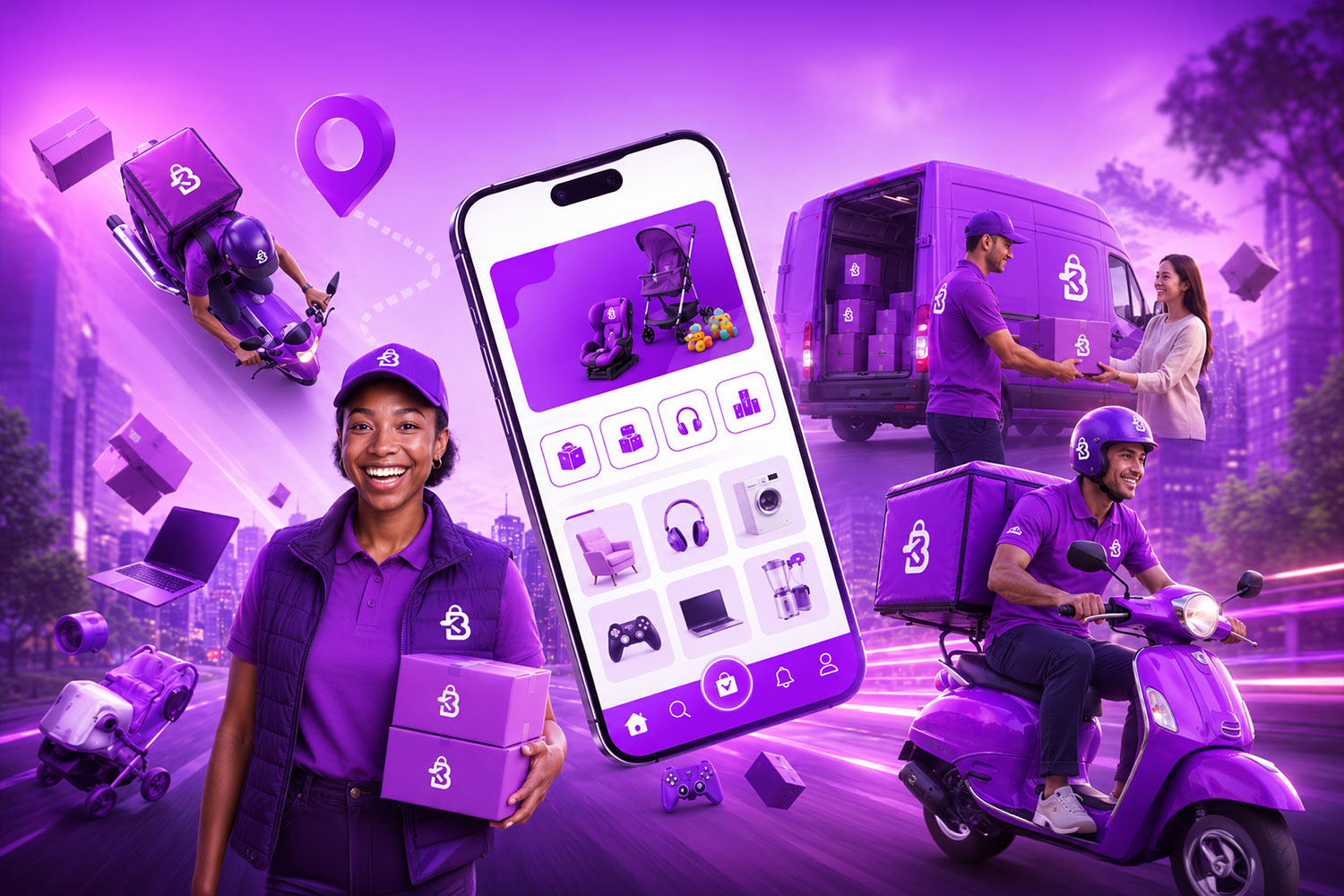
Gold at the Transform Awards MEA 2025. A full sonic identity built around a sonic logo.